Basements flood for reasons that look simple on the surface and hide complications underneath: a slow hairline crack in a foundation, a sump pump that gave up after five years of hard winters, a clogged exterior drain that allowed water to sit against the house for days. As a plumber in Sandpoint ID I have seen each scenario and the same truth keeps surfacing — prevention is almost always cheaper and less stressful than repair. This article walks through how a plumber company in Sandpoint approaches the problem, what practical steps matter most for local homes, and where homeowners should spend their maintenance dollars to keep basements dry.
Why basement flooding matters here
Sandpoint sits near water, and our weather mixes heavy spring runoff with occasional violent storms. That combination puts pressure on foundations and drainage systems. When basement water appears, damage is rarely limited to the concrete floor. Carpeting, drywall, electrical panels, insulation, and stored belongings are at risk. Mold growth can begin within 24 to 48 hours if moisture stays. For older homes with block foundations or minimal exterior drainage, a single heavy rain can produce weeks of expense and frustration.
As a plumber in Sandpoint I prioritize two goals when advising homeowners: reduce risk now, and make the plumbing and drainage resilient for the next 10 to 20 years. That timeframe matters because many components are capital items — sump pumps, interior drain systems, and exterior grading — and doing the right work now prevents repeated short-term fixes that cost more over time.
Common failure points and realistic fixes
Foundations develop vulnerabilities over decades. Hairline cracks form because of soil heave, freeze-thaw cycles, or settling after construction. Those cracks let water in slowly at first, then faster during heavy runoff. Exterior waterproofing is an option, but it is expensive and disruptive. A plumber company in Sandpoint often evaluates whether targeted interior work will achieve the same objective for less cost.
Sump pumps are a frequent culprit. A typical submersible sump pump lasts five to ten years depending on cycle frequency. In Sandpoint neighborhoods with high groundwater or low backfill compaction, a pump can run multiple times a day during spring. I tell clients that an annual check is cheap insurance: test the pump, inspect the float switch, and make sure the discharge line is clear and directed away from the foundation. Battery backup systems are not optional in my view for homes where power outages coincide with storms. A battery backup can keep a sump running for 8 to 24 hours depending on battery size and pump draw, which is often the difference between a tidy floor and soaked drywall.
Interior perimeter drains, installed along the footing and tied into a sump, often solve seepage from cracks without excavating the exterior. These systems collect groundwater that seeps in at the base of the wall and redirect it to the sump. Proper installation means cutting a narrow trench along the interior footing, placing perforated pipe in clean gravel, and ensuring the pipe slopes toward the sump. Done right, the system is invisible and highly effective.
Gutter and downspout failures are deceptively powerful. If gutters are overflowing or downspouts discharge within five feet of the foundation, surface water will collect and migrate downward. Extending downspouts and ensuring gutters are free of leaves will cut a home's surface load dramatically. I have replaced dozens of gutters and added downspout extensions that reduced baseline moisture readings in basements by 30 to 50 percent, measured with a moisture meter.
How we assess a home — practical diagnostics
When Believe Plumbing or another plumber Sandpoint homeowner calls, the first visit is diagnostic. We inspect the interior and exterior, but we rely on specific measurements and simple tests rather than guesswork. I look at the Plumber in Sandpoint ID floor and wall junction for efflorescence, staining, or white mineral deposits that indicate long-term moisture migration. I measure slab and wall moisture with meters. I run the sump pump while introducing a controlled amount of water around the perimeter to see how quickly water moves and whether the system keeps up.
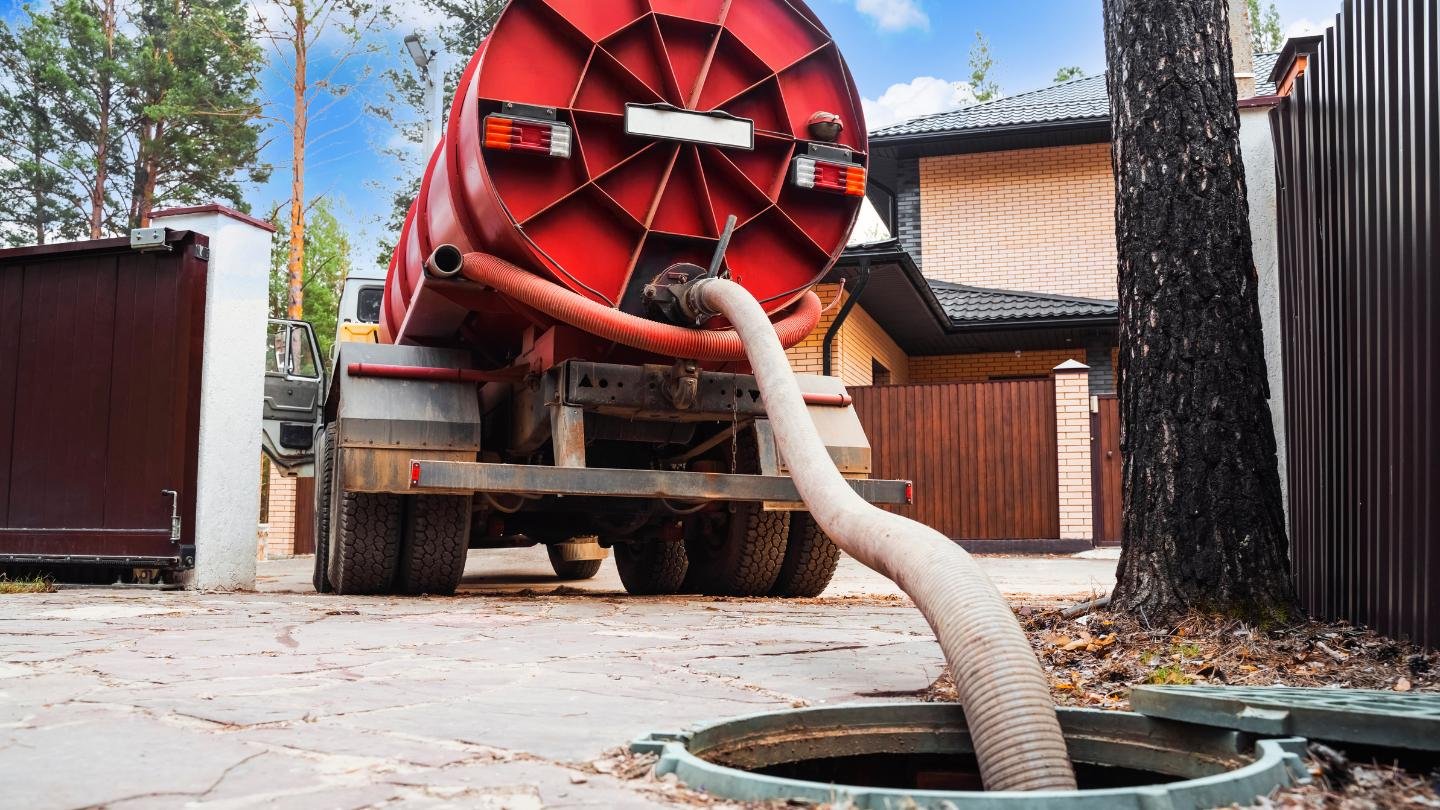
I also check the sewer and storm systems. Backups through floor drains or basement toilets during heavy rain often point to municipal surcharge or a clogged lateral. A camera inspection of the lateral line from the house to the street, combined with a hydrostatic pressure assessment, will tell us whether the problem is on private property or in the public system. If the issue is downstream in the main sewer during peak flow, the solution might be a backflow preventer or a floor drain plug that stops sewer water from re-entering the home.
Practical upgrades that deliver value
Not every house needs full excavation. Here are the pragmatic upgrades a plumber company in Sandpoint commonly recommends, which balance cost, effectiveness, and lifespan.
- Install or replace a sump pump with a reliable model rated for your expected cycle frequency, add a battery backup sized for 8 to 24 hours, and include a high-water alarm that alerts you when the system is overwhelmed. Add an interior perimeter drainage system tied to a sump if seepage appears at the base of foundation walls; this approach avoids exterior excavation and handles groundwater effectively. Clear, repair, or replace gutters and downspouts, and ensure downspout extensions carry water at least six to ten feet from the foundation where possible. Perform a sewer lateral camera inspection if backups occur, and install a backflow preventer if municipal surcharge is the cause. Improve exterior grading so the soil slopes away from the foundation at a minimum of 5 percent over the first ten feet, and replace saturated topsoil with free-draining material where needed.
Using a single list like this helps focus action, but each item carries nuance. For example, choosing a sump pump requires understanding gallons per minute, head lift, and duty cycle. Battery backup selection depends on whether you want a simple 12-volt deep cycle battery or a larger UPS-style system that will run longer and charge automatically. A homeowner on a limited budget might prioritize a new primary pump and a basic alarm first, then add a full backup during the next budget cycle.
Materials and equipment choices that last
I prefer pumps and parts with established track records. For sump pumps, look for cast-iron or thermoplastic bodies with easily serviceable impellers. Avoid novelty pumps with sealed, non-serviceable motors unless the warranty and parts support are excellent. Use flexible discharge piping or proper rigid PVC with slip joints above grade to accommodate minor shifts without cracking. For interior drains, a schedule 40 PVC or SDR 35 pipe sized at 3 or 4 inches will function reliably. Gravel should be washed and free of fines, because clogged gravel defeats a drain by reducing permeability.
Valves and backflow devices should be accessible for annual maintenance. I label shutoffs with tags and include a simple operation card in the homeowner's file so they can test the device safely. Believe Plumbing, acting as a plumber company in Sandpoint, often photographs installations and stores a digital record for the homeowner to reference.
An anecdote about trade-offs
One Lake Pend Oreille property owner hired me after repeatedly mopping up a basement that smelled faintly of mildew. The homeowner wanted an inexpensive fix and asked for a quick patch on the visible crack. After measuring moisture levels and inspecting the perimeter, I found the house sat on a shallow lot with poor grading and a fractured clay soil layer that held water. A patch would have worked short term, but surface water would still press on the footing and force seepage elsewhere.
We discussed trade-offs: a cheaper patch and monitor approach, or a slightly larger investment to add a perimeter drain and regrade the immediate exterior to send water away. The client chose the second option. The work took three days, included a new pump with battery backup, and cost about 40 to 60 percent of what a full exterior excavation and waterproofing would have required. Since then the homeowner has had zero incidents, and the power of taking a systems view became clear. Sometimes spending a bit more to address root causes saves money and stress down the road.
Maintenance routines that extend life and reduce surprises
Preventive maintenance is where homeowners get the best return on investment. I recommend a seasonal checklist homeowners can execute or schedule with a plumber in Sandpoint. Annual tasks should include testing the sump pump by pouring water into the pit until the pump cycles, inspecting sump discharge lines for blockages or freezing risk, checking gutters and downspouts in spring and fall, and running a camera inspection of the sewer lateral every five years or after a major tree planting near the line.
For homes with high groundwater or where pumps run many times a week, consider semi-annual professional service. Service includes removing sediment from the pit, checking float switches for interference, testing switches under load, and exercising the backflow preventer if present. Believe Plumbing recommends keeping a spare primary pump on hand for properties that cannot tolerate downtime, especially rental units or homes with finishes in the basement.
When to call a professional — and what to expect
Call a plumber in Sandpoint if you see persistent wet spots, sudden elevation of humidity in the basement, a non functioning sump pump, or if you experience sewage backup. A good plumber will arrive with tools for diagnostics, including moisture meters, camera gear for lateral inspection, portable pumps for temporary mitigation, and a clear plan for recommended work.
Expect the first visit to result in a written assessment with a range of options. Avoid any contractor who insists on immediate full excavation without explaining the alternatives. A reputable plumber company in Sandpoint will explain the pros and cons, provide cost ranges, and prioritize actions. They should also discuss warranty and maintenance expectations. For example, pumps installed with a one-year labor warranty and a three to five-year parts coverage are common, but for high-use locations a service contract is worth considering.
Cost expectations and budgeting
Costs vary widely by the scope of work, local labor rates, and materials. For a dependable pump replacement with basic discharge work and a small backup battery, expect a range that commonly falls between $800 and $2,500 depending on model and installation complexity. Interior perimeter drains tied into a sump pit typically range from $2,000 to $6,000 for a 1,000 to 2,000 square foot basement, depending on access and finish removal. Full exterior excavation and waterproofing can be $8,000 to $25,000 or more, especially if landscaping, driveways, or hardscape must be restored.
Pricing decisions should weigh the value of contents and finished space. If the basement stores irreplaceable items or is finished with drywall and built-ins, leaning toward more robust solutions makes financial sense. For unfinished storage spaces, targeted interior drainage plus grading improvements will often provide acceptable protection at a lower cost.
Final thought: a local partner matters
Sandpoint conditions require local knowledge. Soil types, seasonal water tables, typical municipal sewer behavior during storms, and even local building practices all influence what solution will stick. Choosing a plumber company in Sandpoint that understands these local patterns will save time and money. Believe Plumbing and similar local firms bring that neighborhood experience, offering systems thinking rather than single-component fixes.
Basement Plumber Believe Plumbing flooding is rarely caused by one failed element. It is the result of interacting systems: landscape, gutters, foundation condition, plumbing, and municipal infrastructure. A plumber in Sandpoint who looks at the whole house, recommends durable materials, and backs work with sensible maintenance will keep your basement dry more often than not. Practical measures, routine maintenance, and well-chosen upgrades are the best defense against the expensive, stressful consequences of a flooded basement.
Believe Plumbing
819 US-2, Sandpoint, ID 83864
+1 (208) 690-4948
[email protected]
Website: https://callbelieveplumbing.com/